Hire a Brand Visual Identity Designer
Hire a brand visual identity designer if you need a complete visual language for your brand, including logo, colors, typography, patterns, and brand guidelines.


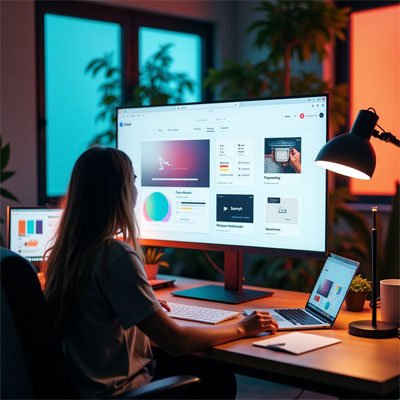
In my early journey as a designer, I realized how much visual design shapes a brand’s identity. It’s more than just making a website or app look good, it’s about creating a meaningful user experience. While graphic design focuses on visuals and UI design shapes the user interface, visual design blends both to guide how a finished product should look and feel. Whether you’re building a web app or a printed brochure, strong visual communication ensures your message is clear and emotionally resonant. As a visual communication designer, the goal isn’t just aesthetics but making every element work toward the larger communication purpose.
From defining visual languages for a brand to designing layouts using typography, color, space, and images, every piece plays a role. I’ve seen organizations succeed when their design projects stay true to both form and function. Visual designers don’t typically handle coding like HTML or CSS, which many web designers are expected to do. Instead, our focus is the discipline of design strategy translating abstract definitions into tangible design that enhances usability, supports conversion, and delivers a seamless experience across digital design. Whether it’s a landing page, mobile app, or full product, visual coherence from start to end product is what makes the job impactful.
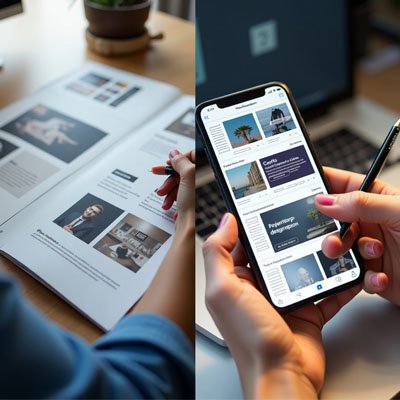
In my early career, I often found the line between graphic design and visual design incredibly blurred, especially when working on websites or a web app. Both disciplines share a focus on aesthetics, yet their goals and responsibilities are quite different. While graphic designers typically focus on print design or static digital designs, visual designers are more involved in crafting dynamic interfaces for websites, apps, and product experiences. I remember collaborating with a talented graphic designer on a project where my task was to handle the visual design things like layout fluidity, interface emotion, and the overall perception of the brand. It became clear that even though both roles overlap, each requires different tools and thinking. The end products may look similar at a glance, but the purpose and process behind them are not the same.
The difference in responsibilities also leads to a difference in salary. Based on my industry experience, graphic designers often cap at around $65,000, while visual designers can earn up to $90,000, reflecting the demand for cutting-edge UI thinking. The Visual Designer job title is often associated with forward-thinking roles, while graphic design is sometimes (unfairly) seen as a dinosaur among design disciplines. Still, both jobs require creative work and play essential roles in any design team. The overlap happens when responsibilities shift across mediums, but understanding these subtle differences helps teams work better and hire smarter. Whether you’re hiring or seeking a job title, defining whether you’re a designer focused on aesthetics for physical or digital mediums makes a huge impact.
As a designer, I’ve learned that visual choices aren’t just about making things attractive, they shape how users feel and trust what they see. A powerful layout starts with the first impression, which forms in just 50 milliseconds. That gut reaction is driven by how well the elements are arranged, how naturally the eye moves across the page, and whether things draw attention to the right aspects. Good visual design balances both aesthetics and functionality, guiding users with visual cues and helping them understand your product with ease. In my work, I always try to accommodate cognitive limitations by using chunking and designing around user load, so they can remember the information and interact smoothly without hesitation or uncertainty.
What makes a design vital isn’t just how it looks, but how it works. I’ve seen how consistency across every page builds trust, while fresh touches make things feel modern without overwhelming the user. Each moment is critical, and even the subtlest detail can affect how the user thinks or reacts. I always start by identifying the organization’s goals, then compose and organize the content to match both the culture and expectations of its users. Whether I’m designing items for a large website or a single product, I focus on the way everything works together how I create flow, build appeal, and ensure the design supports the message. It’s about designing not just with strategy but with empathy, and making sure every visual step serves a real purpose.
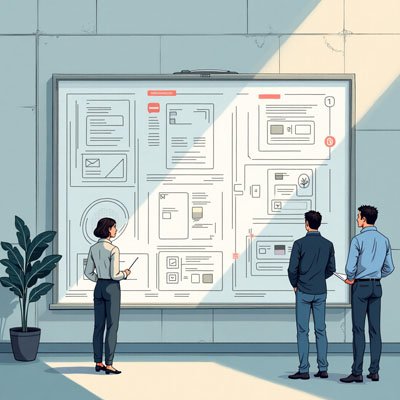
As a designer, I’ve learned that visual choices aren’t just about making things attractive, they shape how users feel and trust what they see. A powerful layout starts with the first impression, which forms in just 50 milliseconds. That gut reaction is driven by how well the elements are arranged, how naturally the eye moves across the page, and whether things draw attention to the right aspects. Good visual design balances both aesthetics and functionality, guiding users with visual cues and helping them understand your product with ease. In my work, I always try to accommodate cognitive limitations by using chunking and designing around user load, so they can remember the information and interact smoothly without hesitation or uncertainty.
What makes a design vital isn’t just how it looks, but how it works. I’ve seen how consistency across every page builds trust, while fresh touches make things feel modern without overwhelming the user. Each moment is critical, and even the subtlest detail can affect how the user thinks or reacts. I always start by identifying the organization’s goals, then compose and organize the content to match both the culture and expectations of its users. Whether I’m designing items for a large website or a single product, I focus on the way everything works together how I create flow, build appeal, and ensure the design supports the message. It’s about designing not just with strategy but with empathy, and making sure every visual step serves a real purpose.
In my design process, I always start by thinking about the elements that shape the overall layout. I use lines, shapes, and negative space to form structure and flow, with whitespace offering room to breathe and bring calm to the viewer. Whether it’s straight, curved, geometric, or organic, each line has purpose. I define areas using enclosed, self-contained forms, keeping a balance between blank space and positive shape. Applying the figure-ground effect, I create depth that feels intuitive. To give the interface a sense of rich, real-world presence, I build volume, play with value, and layer texture. Even on two-dimensional screens, my goal is to suggest three dimensions through the right use of light source, shadows, highlights, lightness, and darkness. Choosing a suitable theme, matching tone, and knowing how to catch attention, all play into building a strong relationship between design and audience. The surface of any interface is where experience begins.
Once the structure is in place, I rely on core principles to bring meaning and order. Unity and harmony guide how I arrange page elements so they belong together. Without this, users can feel distracted, or sense chaotic, misaligned layouts that break flow. I apply gestalt to better perceive how objects will be processed by the eye and use this to guide visual journeys. Clear hierarchy and smart placement help communicate importance at a glance. With thoughtful contrast, I introduce clarity and structure, while scale helps me highlight or minimize based on context. I adjust dominance and emphasize what matters most, often through visual depth. Every object, by its size or position, must either stand out or support the system. I strive to distribute details evenly, respecting differences while using them to accentuate the design’s rhythm and flow.
A visual designer focuses on the look and feel of digital and print interfaces. They create visually appealing layouts, choose colors, typography, imagery, and design elements to communicate messages clearly and engage users effectively.
Visual communication design is the art of conveying ideas and information through visual elements like graphics, illustrations, layouts, and symbols. It blends creativity and strategy to make communication visually effective across various platforms.
Visual design is concerned with aesthetics how things look, while web design includes both visuals and functionality, like coding and usability. Visual design is a subset of web design, focused specifically on presentation.
No, visual design and UX design are different. Visual design focuses on appearance, while UX design is about the overall user experience, including how easy, intuitive, and enjoyable an interface is to use. Both work together to create successful digital products.
Learn how professional visual design services can bring your ideas to life with compelling graphics, cohesive branding, and engaging digital assets. Create a strong visual identity that captures attention, communicates your message, and enhances audience engagement.
Every time a person encounters your brand — on a website, an app, a social media post, a product, or a printed material — they form an instant impression. That impression is shaped almost entirely by visual design. Before they read your headline, understand your offer, or consider your price, they have already decided whether your business feels trustworthy, modern, and worth their attention.
Visual design is the discipline that controls this first impression. It combines color, typography, layout, imagery, space, and visual hierarchy to create experiences that communicate clearly, guide user behavior, and build lasting brand recognition. It is not just about making things look attractive. It is about making every visual element work together with purpose and intention.
Whether a business is building a new brand from scratch, launching a digital product, redesigning a website, or creating a complete visual identity system, strong visual design is what separates businesses that look professional from those that get overlooked.
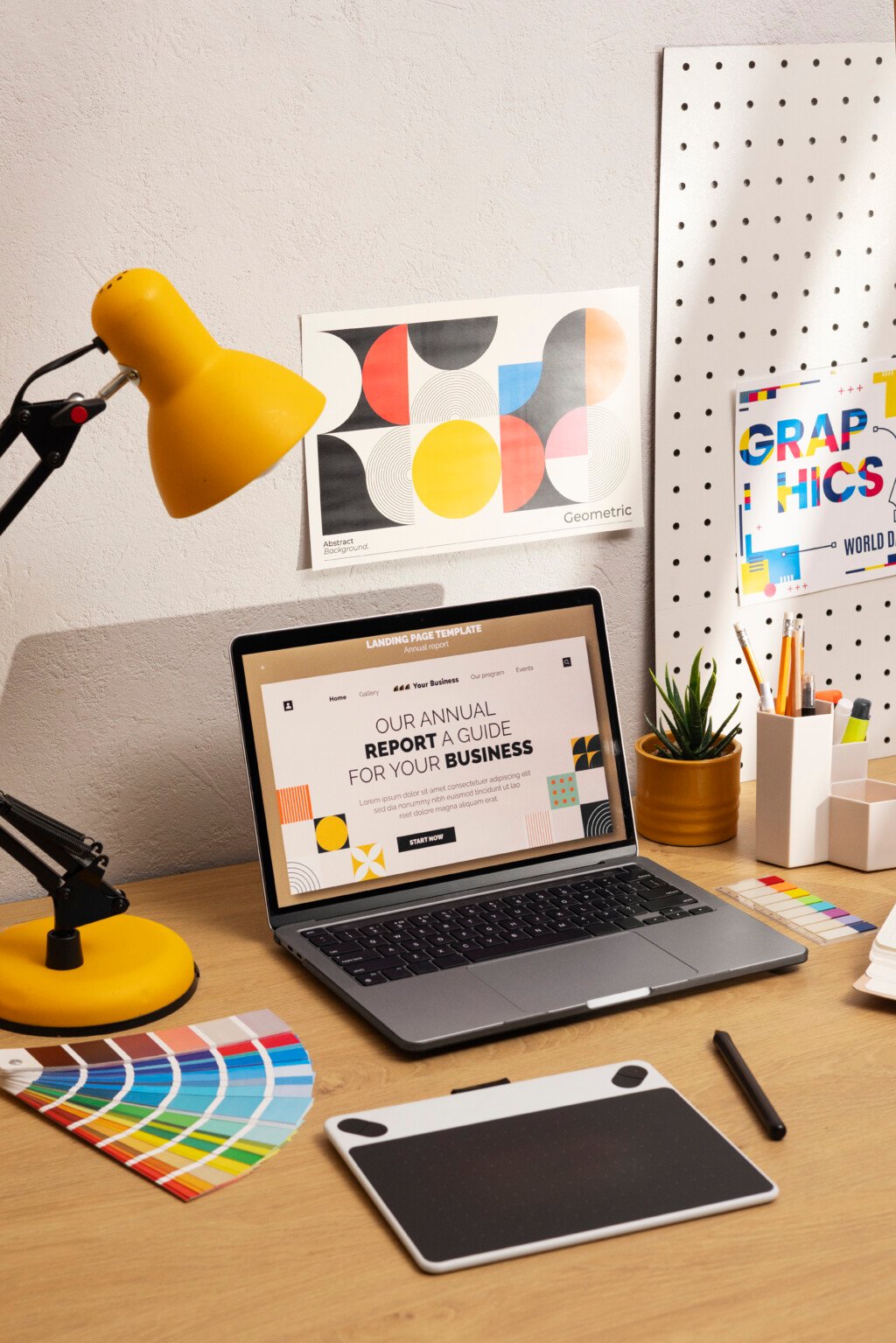
Visual design services help businesses create intentional, professional visual experiences across brand identity, websites, digital products, and marketing materials — combining color, typography, layout, and imagery to communicate clearly, guide users, and build lasting brand trust.
Visual design is the process of using visual elements — color, typography, layout, imagery, spacing, shape, line, and texture — to communicate a message, guide attention, and create a meaningful experience for the viewer or user.
It sits at the intersection of graphic design, user interface design, and brand identity. While graphic design focuses on visual communication for specific materials, and UI design focuses on the usability of digital interfaces, visual design brings both together. It shapes how a finished product — a website, an app, a brand system, a marketing campaign, or a printed piece — looks, feels, and communicates.
A skilled visual designer understands the principles of visual hierarchy, contrast, balance, proportion, unity, and emphasis. They know how to direct the viewer’s eye, create emotional responses through visual choices, and ensure that every design element serves a clear strategic purpose.

Professional visual design can help your business build credibility, communicate more effectively, engage more customers, and create a stronger and more consistent presence across every digital and physical channel.
Research shows that users form a visual impression of a website or product in as little as 50 milliseconds. Strong visual design ensures that first impression is professional, trustworthy, and relevant. Weak visual design pushes potential customers away before they have a chance to understand your offer.
Visual design helps organize and present information in a way that is easy to understand at a glance. Good layout, hierarchy, and visual structure make it faster and easier for users to find what they need, understand your message, and take the actions you want them to take.
Consistent visual design across every touchpoint — website, app, social media, print, packaging, and advertising — builds brand recognition and trust over time. When your visual identity is cohesive and intentional, your brand becomes more memorable and more credible.
Well-designed websites, landing pages, digital products, and marketing materials perform better. Strong visual design captures attention, communicates value quickly, reduces confusion, and guides users toward the actions that matter — clicking, signing up, purchasing, or reaching out.
There are many types of visual design services, and the right one depends on your business goals, the platforms you use, your target audience, and the type of product or content you are creating.
Brand visual identity design helps businesses create the complete visual language that represents their brand. This includes logo design, color palette development, typography systems, brand patterns, icon sets, imagery guidelines, and a full brand style guide that defines how the brand should look and feel across every channel. This is useful for startups building a brand from scratch, established businesses rebranding, and any organization that wants to create a stronger, more consistent, and more professional visual identity.
UI visual design focuses on the visual layer of digital interfaces — websites, web applications, mobile apps, dashboards, and SaaS products. This includes the visual treatment of buttons, forms, navigation, cards, typography, color usage, icons, and every other element that users see and interact with on screen. This is useful for product teams, SaaS companies, app developers, startups, and businesses with digital products that want to look more polished, professional, and on-brand.
Web visual design covers the visual presentation of websites — including homepages, landing pages, product pages, service pages, and blog layouts. Strong web visual design creates a clear hierarchy, guides visitors through the page, and makes a strong brand impression while supporting conversion goals. This is useful for businesses launching a new website, redesigning an existing one, or creating specific landing pages for marketing campaigns, product launches, or lead generation.
Marketing visual design covers all the visual assets needed for marketing campaigns — social media graphics, digital ads, email design, banner ads, promotional graphics, event visuals, and campaign creative. Strong marketing visuals capture attention, communicate value, and drive action across every paid and organic channel. This is useful for marketing teams, ecommerce brands, agencies, startups, and businesses running active campaigns across social media, email, search, and display advertising.
Custom illustration services help businesses create original visual content that reflects their brand personality and communicates ideas that photography cannot. This includes editorial illustrations, character design, explainer illustrations, icon illustration, pattern design, and conceptual artwork for websites, apps, marketing materials, and brand identity. This is useful for brands that want a distinctive visual style, tech companies creating product visuals, publishers, educational platforms, and businesses that want to stand out from competitors using photography-heavy or generic stock imagery.
Icon design services help businesses create clear, consistent, and on-brand icon sets for websites, apps, dashboards, presentations, and marketing materials. A strong icon system improves usability, makes interfaces easier to navigate, and reinforces visual brand consistency. This is useful for product teams, SaaS companies, app developers, and any business with a digital interface that needs a clear and custom visual icon system.
Infographic design services help businesses present complex information, data, processes, timelines, or statistics in a clear, engaging, and visually appealing format. Strong infographics are easier to understand than written text alone and significantly more shareable across social media, email, and content marketing channels. This is useful for B2B companies, research organizations, healthcare providers, financial services, tech companies, and any business that needs to communicate data or complex processes in a visually accessible way.
Motion graphics services help businesses bring their visual design to life through animation. This includes animated logo reveals, explainer video graphics, social media animations, UI micro-animations, presentation animations, and branded motion content for video platforms. This is useful for businesses that want to increase engagement on social media, explain complex products or services through animation, create more compelling presentations, or add visual energy to their digital marketing content.
There are different ways to access visual design support. The best option depends on your budget, project scope, timeline, and how regularly you need new visual content created.
A freelance visual designer can be a great choice for brand identity projects, UI design, web design, illustration, icon sets, infographics, and focused campaign work. Freelancers are often flexible, specialized, and more affordable than agencies for specific project types.
A design agency may be better for larger projects that combine visual design with strategy, copywriting, UX research, development, and multi-channel creative production. Agencies are well suited for complex rebrands, product launches, and full-scale digital transformation projects.
An in-house visual designer is useful for businesses with a consistently high volume of visual design work across ongoing campaigns, product updates, and marketing channels that need fast turnaround and deep brand familiarity.
Choosing the right visual designer is important because the quality of your visual design directly affects how customers perceive your brand and how well your products and campaigns perform. Before hiring, make sure the designer understands both visual craft and the strategic goals behind your project.
Start by identifying what the design needs to achieve. Do you need to build a brand identity, redesign a website, create a product interface, produce marketing visuals, develop an illustration style, or design a complete visual system? A clear goal helps the designer create work that is not just visually strong but strategically aligned with your business.
Your visual design should appeal to the people you want to reach. A B2B SaaS platform, a fashion brand, a children’s learning app, a luxury hospitality business, and a healthcare provider all require very different visual approaches. Understanding your audience helps the designer make the right choices around color, typography, style, imagery, and tone.
Before starting, collect any existing brand assets — your logo, color codes, fonts, brand guidelines, competitor references, and examples of designs you like and dislike. Providing this context helps the designer work within your existing brand framework or understand where a refresh is needed.
Always review previous visual design work before hiring. Look at the quality of layout, use of color and typography, visual hierarchy, consistency, and whether the designer has experience with the type of project you need — branding, UI, web, illustration, or marketing visuals. A strong portfolio should include work that is visually polished, strategically considered, and varied in approach.
A professional visual designer should have a clear process — research, concept development, design exploration, feedback and revision, and final delivery. Understanding how they work helps you know what to expect at each stage and how involved you will need to be throughout the project.
Visual design projects often require multiple rounds of feedback and revision. Before starting, confirm how many revision rounds are included, what the turnaround time is for each stage, and exactly what files and formats you will receive at the end of the project.
Common visual design deliverables include vector files in AI or SVG format, high-resolution PNG and JPG exports, editable source files in Figma, XD, or Sketch, and PDF presentations. Confirm that you will own the final designs and have full rights to use them commercially across all platforms and formats.
Finding the right visual design professional becomes easier when you know what type of support your business needs. On Finderdesk, you can explore visual designers based on your project type and goals.
Hire a brand visual identity designer if you need a complete visual language for your brand, including logo, colors, typography, patterns, and brand guidelines.
Hire a UI visual designer if you need a polished and on-brand visual layer for a website, mobile app, web application, or digital product interface.
Hire a web visual designer if you need a visually strong and conversion-focused design for a homepage, landing page, product page, or full website redesign.
Hire an illustration designer if you need custom artwork, character design, editorial illustrations, icon illustrations, or a distinctive illustrated visual style for your brand or digital product.
Hire a marketing visual designer if you need strong visual assets for social media campaigns, digital ads, email marketing, promotional graphics, or content marketing.
Tell us about your project and we'll help you find the right brand identity, UI, web, illustration, or marketing visual design professional.
Visual design projects can go wrong when expectations are unclear, briefs are vague, or the wrong designer is chosen for the project type. Avoid these common mistakes before starting.
Starting a visual design project without a clear brief leads to misaligned results, wasted revision rounds, and unnecessary delays. Always define your goals, audience, design references, tone, and key messages before hiring.
A designer whose portfolio looks beautiful may not have the strategic thinking or technical experience your project requires. Always consider whether the designer understands your goals, not just whether their past work looks impressive.
Visual design for a mobile app has very different requirements than design for a printed brochure, a social media campaign, or a large-format banner. Always confirm that your designer understands the platform-specific requirements for your project before starting.
Designers produce stronger work when they understand your business, your audience, your competitors, and the problem the design needs to solve. Share as much context as possible at the start of the project rather than leaving the designer to guess.
Strong visual design is often built on simplicity and restraint. Too many colors, fonts, graphics, icons, or competing visual elements create confusion and weaken the design’s impact. Trust the designer’s judgment when they suggest a cleaner and more focused approach.
Not providing clear and timely feedback at each stage can lead to a final result that does not meet your expectations. Be specific and constructive with feedback at every revision round rather than waiting until the end.
Visual design services can help your business build a stronger brand, communicate more clearly, engage more customers, and perform better across every digital and physical channel. Whether you need brand visual identity design, UI and interface design, web visual design, marketing visuals, custom illustration, icon design, infographics, or motion graphics, the right visual designer can help your brand make a stronger and more lasting impression at every touchpoint.
Before hiring, define your project goals clearly, understand your audience, gather your brand assets, review designer portfolios carefully, discuss deliverables and timelines, and always confirm that you will receive editable source files for future use. Strong preparation leads to stronger visual results.
If you need professional visual design for your business, explore visual design experts on Finderdesk and find the right designer for your next brand, product, or marketing project.
Here are common questions businesses ask before hiring professional Designer
Visual design is the use of color, typography, layout, imagery, shape, space, and visual hierarchy to communicate a message, guide attention, and create a meaningful experience for viewers or users. It combines elements of graphic design, brand identity, and UI design to shape how a product, brand, or piece of content looks and feels across every platform and format.
The cost of visual design services depends on the project type, complexity, deliverables, and designer experience. A single social media graphic or icon set may start at $50–$200. A landing page or marketing campaign visual design may range from $300–$1,500+. A full brand visual identity system, UI design for a digital product, or a complete visual design system can cost $1,500–$15,000+, depending on scope and the level of detail required.
Graphic design focuses on creating visual communication for specific materials — posters, brochures, logos, advertisements, and printed or static digital assets. Visual design is a broader discipline that applies to digital interfaces, product design, and brand systems. It integrates the principles of graphic design with user experience thinking to shape how interactive and digital products look and feel in use.
UX design focuses on the overall user experience — how easy, intuitive, and satisfying a product is to use, including research, information architecture, user flows, and interaction design. Visual design focuses specifically on the visual presentation layer — how the product looks, what it communicates visually, and how design choices like color, typography, and layout affect user perception and behavior. Both disciplines work together closely in product and web design.
A visual design system is a comprehensive set of reusable visual components, design tokens, and usage guidelines that define how a brand looks across all its digital and physical products. It typically includes color systems, typography scales, icon libraries, component styles, spacing rules, and documentation that allows teams to build consistent and on-brand designs efficiently.
Visual design matters because users form instant impressions of a brand or product based on what they see. Strong visual design builds trust, communicates professionalism, guides user behavior, improves engagement, and increases the likelihood that customers will take action. Weak visual design can undermine even the best product or service by making it appear untrustworthy or unpolished.
Visual hierarchy is the arrangement of design elements in a way that signals their order of importance. It guides the viewer’s eye through a design in the order the designer intends — leading with the most important information first and supporting it with secondary and tertiary details. Strong visual hierarchy uses size, weight, color, contrast, spacing, and position to create clear and intuitive reading paths.
You should typically receive vector files in SVG or AI format for scalable graphics, high-resolution PNG and JPG exports for digital and print use, editable source files in Figma, XD, Sketch, or AI format for future updates, and a PDF presentation or style guide documenting how the visual assets should be used across channels and formats.
Get our latest news straight into your inbox