Hire Game Developer
Hire a game developer if you need help building gameplay mechanics, levels, systems, features, testing, and launch-ready game functionality.



In my early journey into game development, I quickly learned that creating a video game isn’t just about ideas it’s a process. The pipeline plays a central role in this journey, guiding everything from concept to completion. Much like a production line, it helps organize the flow of work, ensuring each team member knows what to deliver and when. Whether working on an AAA, indie, or mobile title, every stage must stay aligned with the timeline and within budget, or you risk delays caused by inefficiencies and bottlenecks. The pipeline is where the foundation is set, and building a well-structured one determines how smoothly a project progresses.
Over the years, I’ve found that no two studios handle their projects exactly the same. That’s because game development isn’t always a linear process. It’s continuously evolving, where what works in theory might fail in practice. You often hit moments requiring creative adjustments, waiting for approvals, and accepting that revisions are part of the deal. The pipeline must be flexible enough to absorb course changes and adapt quickly. A well-managed pipeline doesn’t just push work forward it allows for space to rethink and improve, which is vital when aiming for something that’s not just functional, but fun.

When I first got into video game development, I had no idea how critical the pre-production phase would be. Every successful project starts here. You brainstorm the idea, refine the story, explore the latest technology maybe you’re building for VR, or integrating a unique controller or console. It’s the stage where you answer the big questions: Who is your audience? Is there a market for this game? What’s the competition doing? Which platform is best? Will it be monetized through in-game purchases, or sold directly? You consider the staff, list down resources, plan an estimated budget, and define how many weeks or a full year the type of game will require based on your finances. Typically, this takes about 20% of the total production timeline.
In one of my own games, our small team consisted of a producer, a programmer, and a concept artist since we were a one person per role operation, each wore multiple hats. The producer handled business goals and financials, created marketing strategies, and ensured we were building a viable product. The concept artist sketched early visuals, building the visual language, look, and feel. All of it came together in a Game Design Document (GDD) our project’s north star. Whether you’re studying through courses, earning degrees, or learning on the job over 18 to 24 months, you’ll explore concept, genre, characters, mechanics, gameplay, level, and world design. A clear monetization strategy is also needed. The GDD evolves constantly; it’s a living document that adjusts with technical or budget restraints. Whether you follow an agile process or stick to heavy documentation like EA, Microsoft, Sony, or Ubisoft, you must stay organized. You identify risks, decide who to hire, what to outsource, and how to pitch to investors.
In our pipeline, we used simulation tools and worked with mentors to build a solid prototype. We would test early functionality, user experience, and art direction using paper designs. We relied on theories, systems, and cost-effective planning grounded in psychology and metaphors. Most of our early ideas were played and tested again and again until we found the fun. Sometimes, we ran into challenges and used feedback to adapt. We often used placeholder assets temporary weapons, props, and other elements until final, high quality versions were ready. Some were purchased, others were found free online, especially from tools like Soul: Cave by Epic Games for Unreal Engine 4.
The production phase is the longest in any game project. It’s where the ideas take shape. In our case, the team was hands on deck, crafting creatures, environments, and defining rules and levels with detailed code. Every conscious decision from color and sound to difficulty and scoring matters. We focused on hitting core milestones like the first playable version, where higher-quality artwork replaces early assets. Our vertical slice helped secure deals with studios, and our experience helped during pre-alpha, where key decisions about game content were made.
By alpha, the game was feature complete. The QA team began rigorous tests. By beta, we shifted toward optimization. At gold master, everything was set for publishing and release. Inspired by games like Minecraft, with over 100 million monthly active players, we hoped to follow suit.
Our dev team’s roles varied depending on studio size. As the project manager, I oversaw communication, tracked progress, and anticipated and mitigated risks. Developers, including software engineers and computer scientists, worked on interactive gameplay with a blend of creativity, math, and patience. They built a base engine, handled scripting, functions, and events, and applied physics like gravity. They crafted renders, simulated AI, added music, and coded game logic, interface, and input methods keyboard, mice, joysticks, and even LAN/internet compatibility. Some focused on custom tools, porting, or managing algorithms, memory, and caching. In large teams, specialists even handled AI programming exclusively. A junior could earn USD $59,010, while a lead earned over $100,000. It’s a rewarding job.
The writer and artist crafted compelling storylines, back-stories, and dialogue, shaping scoring systems, ledges, and obstacles. Tasks like digital editing were often handled by specialists. According to Payscale, game designers earn an average of $63,838, with leads hitting $93,926. Level designers shaped game goals, avoided confusion, and used photo reference to design maps. Some researched WW2, others adapted from book or movie references. Using a level editor, we built missions, placed tunnels, monster spawn points, and triggers.
From AAA titles at Gearbox Studios to indie efforts, I admired how pros like Carl Shedd approached art. Our artists included animators, modelers, FX specialists. While 2D artists set initial direction, 3D experts used digital sculpting in ZBrush, Maya, and Photoshop to bring worlds like the Eiffel Tower to life using drones and imagination. With 3D texturing, animation scenes, motion capture, and elements like explosions, smoke, fire, and liquid, we added weather effects rain, lightning, and more. Tools like Houdini FX and Unity were indispensable.
Audio engineers, sound designers, and composers set the emotional tone with soundtrack and suspense. Meanwhile, QA testers logged every bug in bug sheets, ensuring stability. We even had quest designers, combat designers, interpreters, and translators onboard for global distribution.
Once the game was complete and shipped, the team shifted into maintenance. We created patches, worked on downloadable content (DLC), and started planning the sequel. One of my favorite moments was the team post mortem a debrief where we discussed what worked and what didn’t. Finally, we finalized and stored all design documents and code, so they’d be ready for the future whether that meant updates, DLC, or inspiration for our next adventure.

When I first stepped into game development, I quickly learned that great games don’t just come from solid code—they come from design that transforms complex technical details into engaging experiences. What makes a game truly compelling is how it uses psychology, art, and technology to speak to the player emotionally. In my experience, the best games are those that combine creative capabilities to create immersive entertainment. This is what modern gamers expect—modern storytelling, thoughtful interactions, and a smooth blend of mechanics and visuals that build unforgettable experiences.
A solid Game Design Document (GDD) is something every developer, whether indie or working in large studios, should never overlook. From the beginning of a project, the GDD acts like a blueprint—mapping out gameplay features, mechanics, systems, and even monetization strategies. I’ve worked on teams where using a detailed document helped us avoid missteps and saved time. In fact, according to recent studies, a well-structured GDD can reduce unnecessary design loops by almost half. It also outlines the technical specifications, sets the core focus, and serves as a critical tool throughout development. Whether you’re managing developers or just trying to keep your own ideas on track, this is what really makes a difference in the industry.
When I started building GDDs from scratch, I realized the value of a reliable template—it helps you maintain consistency and ensures completeness in every phase of your development cycle. An ideal GDD includes an executive summary, character descriptions, gameplay mechanics, UI design, visual and audio style, and clear guidelines for platform requirements. For me, the hardest part was organizing it all, but once I used a standardized and well-organized format, I saw how it helped our teams align quickly on targets, meet timelines, and avoid overlooked elements.
The template also supports strong planning and allocation of resources, identifies risk, and lets you track performance throughout the project. It defines the structure, layout, and interface expectations while providing room for your unique concept and selling points. When I began creating templates based on proven research, it changed how we built games—cutting design mistakes by 30%, especially when following proper guidelines and addressing every description, overview, and direction. It’s about seeing the whole world of your game in one document and making it work.
Game development can be challenging, especially for beginners. It involves a mix of coding, design, problem-solving, and creativity. However, with consistent practice and the right learning resources, it becomes much easier over time.
A game developer is responsible for creating the core functionality of a game. This includes writing code, developing game mechanics, debugging, and collaborating with artists and designers to bring the game’s vision to life.
Yes, math is important in game development, especially for areas like physics, graphics programming, and 3D modeling. However, for basic game creation, only a solid understanding of algebra and logic is usually enough to get started.
While certifications are not mandatory, they can boost your credibility. Popular options include Unity Certified Developer, Unreal Engine Certification, and game development courses from platforms like Coursera, edX, or Udemy.
Learn how professional game development services can turn your ideas into engaging, high-quality gaming experiences. Create interactive, visually appealing games with smooth performance, immersive gameplay, and cross-platform compatibility to captivate players and grow your audience.
A game idea can feel exciting, but turning that idea into a playable experience takes planning, design, development, testing, and technical skill. Characters, levels, controls, graphics, sound, user interface, performance, and gameplay all need to work together.
Game development helps transform creative concepts into real games that people can play on mobile, desktop, console, or web platforms. Whether the game is simple, casual, educational, competitive, 3D, blockchain-based, or story-driven, the development process must be clear and well-managed.
The goal is not just to build something that looks fun. The real value comes from creating a game that feels smooth, works properly, keeps players engaged, and supports your business or creative goals.
Whether you need mobile game development services, custom mobile game development services, 3D game development services, blockchain game development services, or a freelance game developer, the right expert can help bring your game idea to life.
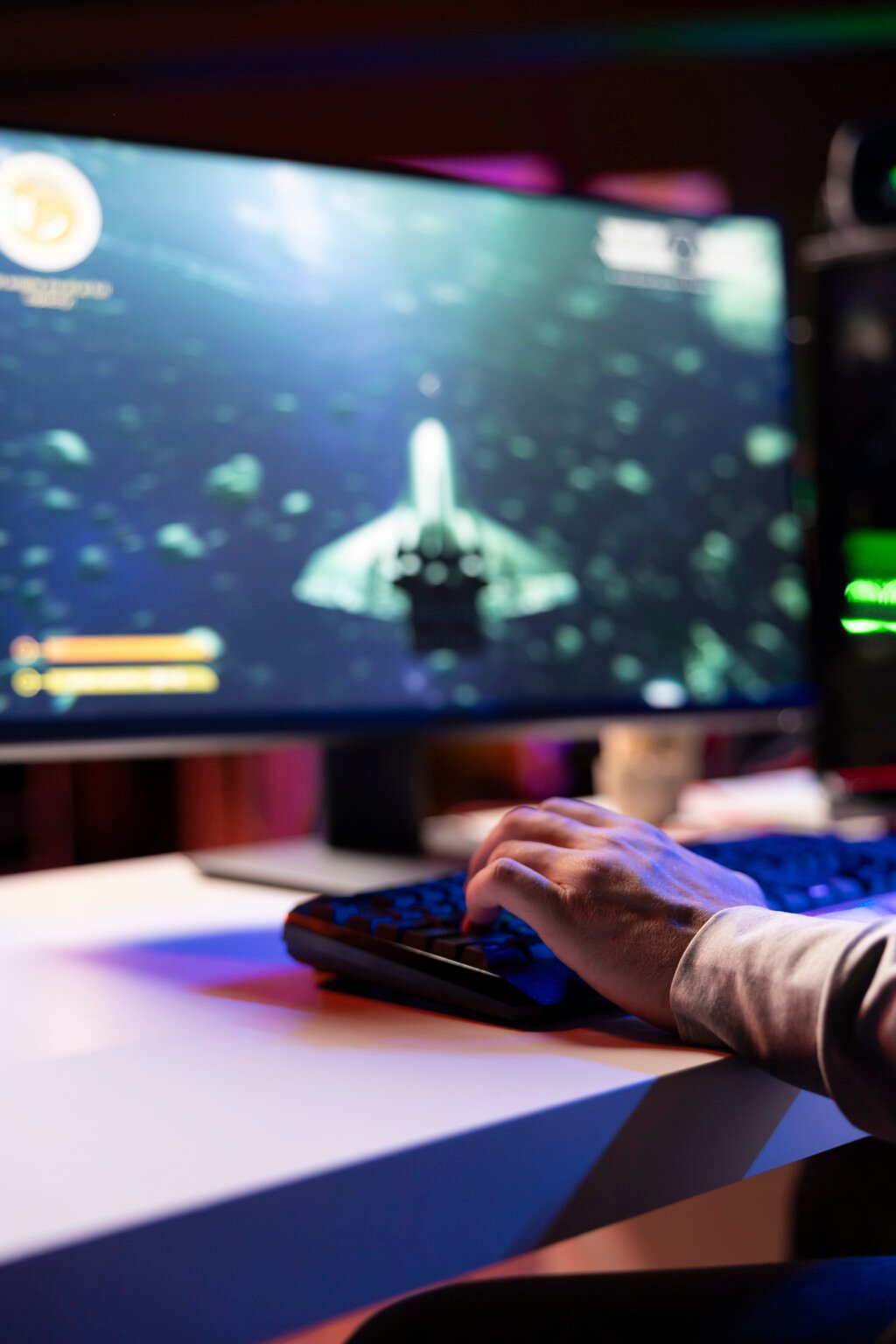
Game development services help businesses, startups, creators, and studios design, build, test, and launch playable games for mobile, web, desktop, and other digital platforms.

A game developer is a professional who builds the technical parts of a game. Their work may include coding gameplay mechanics, creating game systems, setting up physics, building levels, integrating graphics, adding sound, fixing bugs, optimizing performance, and preparing the game for launch.
A good game developer does more than write code. They understand how players interact with a game, how controls should feel, how levels should flow, and how performance affects the final experience.
For example, a mobile game developer may build a casual puzzle game for iOS and Android. A 3D game developer may create realistic environments, character movement, lighting, and effects. A blockchain game developer may add wallet connections, digital assets, token systems, or NFT-based features.

Professional game development can help turn your idea into a complete, playable, and polished product. It is useful when you need technical skill, game structure, and launch-ready execution.
Game development services help create smooth controls, clear goals, balanced mechanics, and enjoyable player interactions. Good gameplay keeps users engaged and encourages them to continue playing.
A game needs to run smoothly across devices. Developers improve speed, loading time, frame rate, stability, and compatibility so players do not face crashes or lag.
Game UI UX design services help make menus, buttons, screens, player flows, settings, rewards, and onboarding easier to understand. Good UI/UX helps players enjoy the game without confusion.
Game developers can help test, debug, publish, update, and improve the game after launch. This is important because games often need fixes, new features, and performance improvements over time.
There are many types of game development services, and the right one depends on your game idea, platform, audience, budget, and technical needs.
Mobile game development services focus on building games for smartphones and tablets. These games may be created for iOS, Android, or both platforms. This is useful for casual games, puzzle games, educational games, fitness games, simulation games, kids’ games, and mobile entertainment apps.
Custom mobile game development services help build a game around your specific concept, features, characters, levels, and business goals. This is different from using a ready-made template. This is useful for startups, game studios, brands, educators, and businesses that want a unique mobile game experience.
3D game development services focus on creating games with three-dimensional environments, characters, objects, lighting, camera movement, and visual effects. This is useful for adventure games, simulation games, racing games, action games, training games, virtual worlds, and immersive experiences.
Blockchain game development services help create games that use blockchain technology. These games may include digital ownership, wallets, tokens, smart contracts, trading systems, or decentralized assets. This is useful for businesses or creators who want to build games with blockchain-based features.
NFT game development services focus on games that include NFT-based assets such as characters, skins, weapons, collectibles, cards, or in-game items. This is useful for projects that want digital ownership, collectible systems, marketplace features, or tokenized game assets.
Game UI UX design services focus on the screens and user experience inside the game. This includes menus, loading screens, inventory systems, buttons, settings, rewards, level selection, onboarding, and player navigation. This is useful for games that need a smooth, clear, and enjoyable player interface.
Video game development covers the full process of creating games for different platforms, including mobile, PC, console, and web. It may include game design, programming, art integration, animation, audio, testing, and publishing. This is useful for creators, studios, brands, and companies that want a complete game development process.
A game prototype or MVP is a smaller version of the game built to test the idea, mechanics, and user experience before full development. This is useful if you want to test gameplay, get feedback, attract investors, or reduce risk before building the full game.
There are different ways to build a game. The best option depends on your budget, project size, timeline, game complexity, and launch goals.
A freelance game developer can be a good choice for smaller games, prototypes, MVPs, bug fixes, mobile games, and focused coding tasks.
A game studio may be better for larger projects that need game design, development, art, animation, audio, testing, and publishing support.
A game development company may be useful for complex games, 3D games, multiplayer systems, blockchain features, NFT game development, cross-platform games, or long-term live game support.

Choosing the right game developer is important because game projects require creativity, technical skill, testing, and strong communication.
Start by explaining the game concept, target audience, platform, gameplay style, characters, levels, and main features.A clear idea helps the developer understand what needs to be built.
Decide whether your game should be built for iOS, Android, PC, console, web, or multiple platforms. The platform affects budget, tools, timeline, performance, and launch process.
Some games work best in 2D, while others need 3D environments and realistic movement. A simple puzzle game may not need 3D, but a racing game or simulation game might. Choosing the right format early helps avoid major changes later.
Before you hire game developer support, review previous games, gameplay videos, app store links, graphics quality, performance, and game types they have worked on. A strong portfolio helps you understand if the developer can build the kind of game you want.
Game developers often use engines such as Unity, Unreal Engine, Godot, or custom frameworks. Ask which engine they recommend and why. The right engine depends on your game type, platform, visuals, and future updates.
Some developers only handle coding, while others provide full game production. Ask whether art, animation, UI/UX, music, sound effects, and testing are included. This helps you understand the full project scope.
Games need careful testing. Ask how the developer will test gameplay, devices, bugs, crashes, performance, controls, and user experience. Testing helps improve quality before launch.
After launch, your game may need bug fixes, updates, new levels, new features, balance changes, and performance improvements. Ask whether the developer provides ongoing support after the first release.
Finding the right game development professional becomes easier when you know what type of support your project needs. On Finderdesk, you can explore game developers based on your platform and game idea.
Hire a game developer if you need help building gameplay mechanics, levels, systems, features, testing, and launch-ready game functionality.
Hire video game developer support if you want to build a game for mobile, web, PC, console, or multiple platforms.
Hire a mobile game developer if you want to create a game for iOS, Android, or both platforms.
A freelance game developer can be a good choice for prototypes, MVPs, small mobile games, gameplay fixes, feature updates, and focused development work.
Hire a 3D game developer if your project needs 3D characters, environments, physics, lighting, camera movement, and immersive gameplay.
Hire a game UI UX designer if you need menus, screens, controls, onboarding, navigation, rewards, and a smoother player experience.
Tell us about your game project and we'll help you find the right game developer, mobile game specialist, 3D developer, or game UI/UX designer.
Game development can become expensive or delayed when planning is unclear. Avoid these common mistakes before hiring.
If your game idea is not clearly documented, the developer may not understand the mechanics, levels, goals, or player experience.
Trying to build every idea in the first version can increase cost and delay launch. Start with the core gameplay and improve later.
Low-cost development may seem attractive, but poor coding, weak performance, bugs, or bad gameplay can make the game fail.
A game can have good mechanics but still feel confusing if the menus, buttons, navigation, or onboarding are not clear.
Game development is not only coding. Art, animation, music, sound effects, and visual design all affect the final experience.
Games need testing on real devices and different situations. Without testing, players may face bugs, crashes, lag, or broken features.
If your game is meant to earn revenue, plan monetization early. This may include ads, in-app purchases, subscriptions, premium downloads, or marketplace features.
Game development services can help turn your creative idea into a real playable experience. Whether you need mobile game development services, custom mobile game development services, 3D game development services, blockchain game development services, NFT game development services, or game UI UX design services, the right expert can help build a game that works smoothly and keeps players engaged.
Before hiring, define your game idea, choose the platform, decide on 2D or 3D, review portfolios, discuss the game engine, confirm testing, and plan post-launch support. Clear planning helps reduce delays, control costs, and improve the final game.
If you want to build a mobile game, video game, prototype, or custom game project, explore game developers on Finderdesk and find the right professional for your next game development project.
Here are common questions businesses ask before hiring Game Developer
Game development services help create playable games for mobile, web, desktop, console, or other platforms. These services may include game design, coding, art integration, animation, UI/UX, sound, testing, publishing, and updates. They are useful for startups, game studios, creators, brands, educators, and businesses that want to build interactive digital experiences.
Game development cost depends on platform, graphics, game type, features, levels, art, audio, testing, and developer experience. A simple mobile game or prototype may cost around $1,000–$5,000. A custom mobile game with multiple levels, UI/UX, backend features, ads, or in-app purchases may range from $5,000–$30,000+. Larger 3D games, multiplayer games, blockchain games, NFT games, or advanced video game development projects can cost $30,000–$250,000+, depending on scope.
A game developer is a professional who builds the technical parts of a game. They may code gameplay systems, controls, levels, physics, AI, menus, backend features, and performance improvements. Some developers focus only on programming, while others may also help with design, testing, or publishing.
Mobile game development services focus on building games for smartphones and tablets. These games may be created for iOS, Android, or both platforms. They are useful for casual games, educational games, puzzle games, action games, simulation games, and mobile entertainment apps.
Custom mobile game development services help build a mobile game around your specific idea, features, design, characters, levels, and business goals. Custom development is useful when you want a unique game instead of a ready-made template.
Blockchain game development services help create games that use blockchain features such as wallets, tokens, smart contracts, digital ownership, or decentralized assets. These services are useful for projects that want blockchain-based gameplay, asset ownership, or marketplace features.
Shaders in game development are small programs that control how surfaces, lighting, colors, shadows, textures, and visual effects appear in a game. Shaders can help create effects like water, glass, fire, glowing objects, realistic lighting, cartoon styles, and surface materials.
You should hire a game developer when you need to turn a game idea into a playable product. This may include a prototype, mobile game, 3D game, web game, blockchain game, or full video game project. Hiring an expert is especially useful when your game needs custom mechanics, smooth performance, testing, publishing support, or long-term updates.
Get our latest news straight into your inbox