Hire an Audio Engineer
Hire an audio engineer if you need recording support, audio cleanup, mixing, mastering, podcast editing, or final audio preparation.


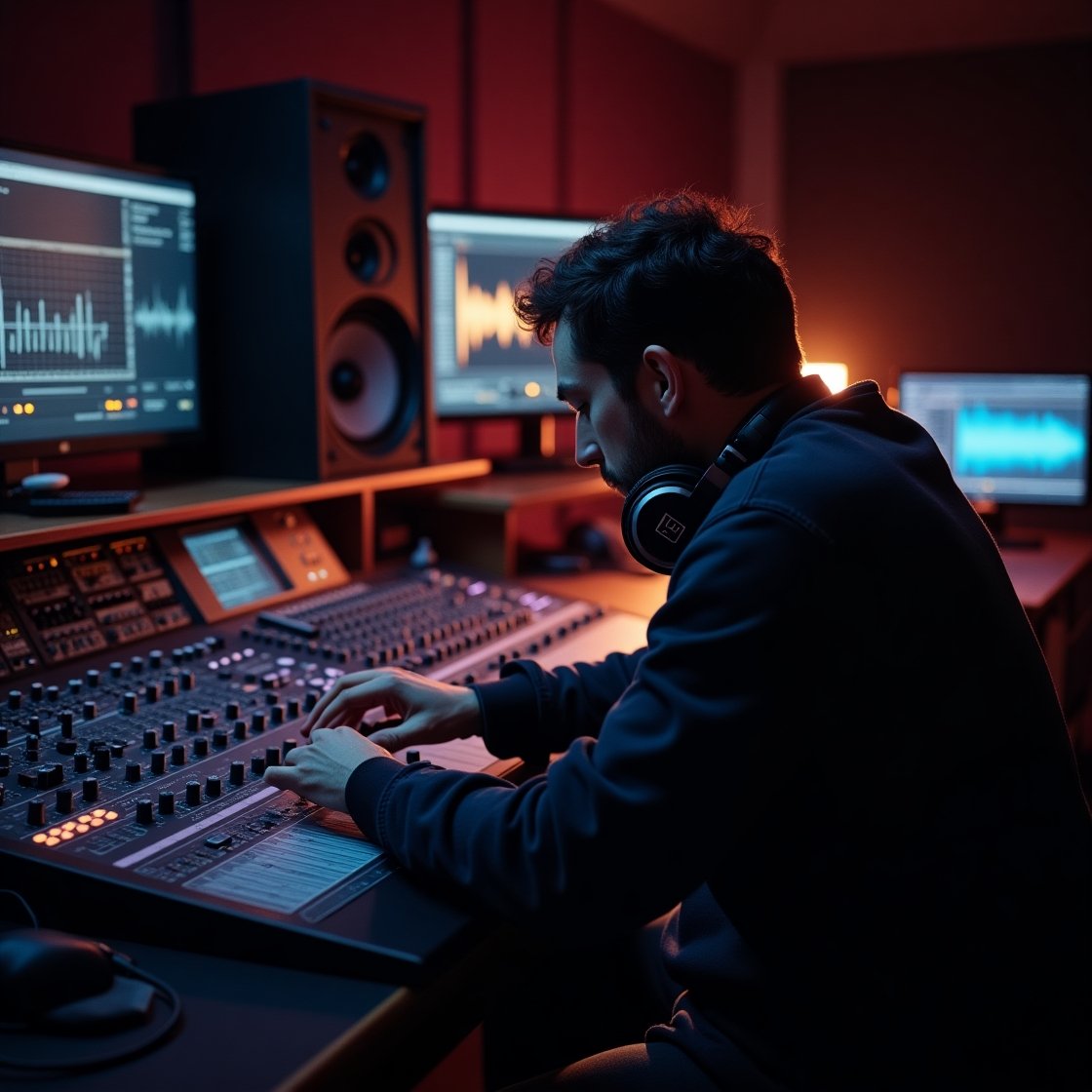
From my own journey in the audio engineering world, I’ve learned that this profession blends both creativity and precision. It’s not just about adjusting sound levels or working behind a mixing board, it’s about understanding the scientific, aesthetic, and technological layers of sound. Every step from manipulating to record and reproducing requires a solid grip on the principles of acoustic, electrical, digital, and electronic systems. Early in my career, I was fascinated by how the process of applying these concepts could completely reshape the emotional impact of music, voices, or ambient sounds.
In post-production, the deeper aspects of audio come alive. Fine-tuning audio elements in a studio taught me how each frequency, effect, and layer serves a purpose in final production. Whether it’s a cinematic soundtrack or a podcast, the backbone of great sound lies in the engineer’s ability to shape and enhance. Through countless hours in post, I’ve found that mastering audio engineering means not only hearing sound, but also deeply understanding how to bring it to life using every tool both analog and digital that modern audio work demands.
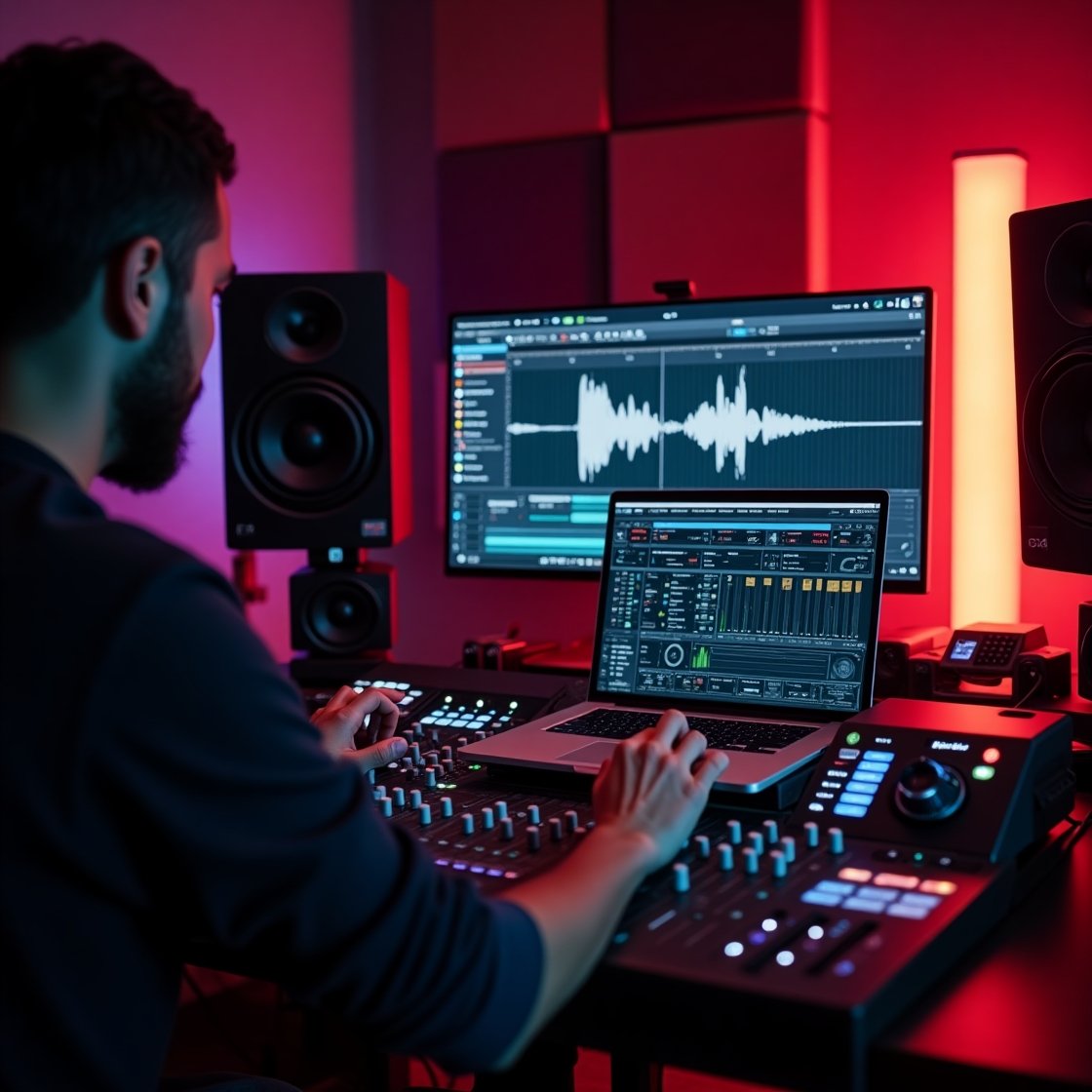
In my years working alongside audio engineers, I’ve learned that their job isn’t just about turning knobs, it’s a creative and highly technical role that shapes the very feel of music, film, and television. Whether in music recording studios, movie theaters, or live theater, engineers are responsible for capturing, mixing, and reproducing sound using advanced electronic audio equipment. This field is incredibly broad, covering different settings from radio broadcasting and film production to colleges, universities, and even teaching audio engineering. They often work with artists, clients, and sound designers, making their role essential in all types of media channels.
When I assisted in live sound systems at a venue, I saw firsthand how vital equalizers and control devices were in shaping sound output. Engineers also specialize in using computer software and hardware to record, edit, and manipulate captured audio data. This includes layering effects like reverb, delay, or distortion to create movie soundtracks or commercial jingles that match the intended purpose. Here are some of their core responsibilities:
These engineers don’t just push buttons, they breathe life into every note and effect, ensuring a finished piece sounds perfect across any platform.
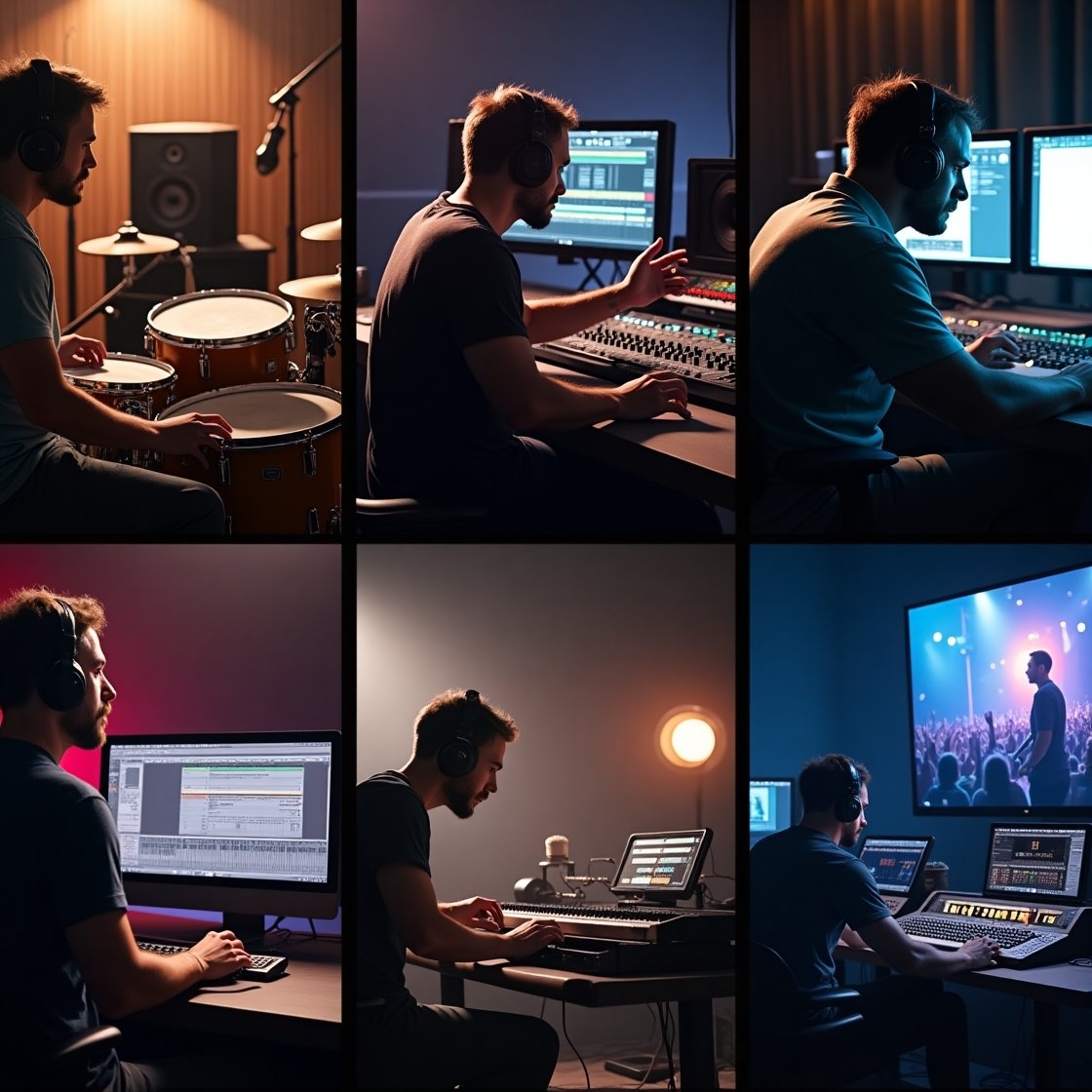
From my experience working in audio engineering, I’ve learned how diverse this field truly is. It takes a variety of skills, sharp focus, and hands-on familiarity with equipment and techniques. This profession includes multiple job title options, each with its own set of responsibilities. There are several common jobs, such as recording engineer, mixing engineer, mastering engineer, live sound engineer, and multimedia sound engineer, each playing a vital role in shaping sound.
When I first stepped into a recording studio, I realized how important the recording engineer or sound technician is to any recorded performance or live session. Whether it’s a concert, conference, or television broadcast, the goal is always the same, capturing and documenting high-quality sound in all kinds of settings. We handle the technical aspects of sound recordings, from microphone selection and microphone placement, to signal routing, signal processing, and studio equipment setup. It’s also our job to troubleshoot technical issues and work closely with producers during the creative process.
As a mixing engineer, I’ve often taken individual recordings and worked on blending them into a cohesive whole. This means adjusting volumes, applying effects to each track, and learning how to combine sounds in a way that complements the vision. With an excellent ear for detail, I’ve trained myself to listen deeply and balance the levels of every element. The aim is to make everything fit together seamlessly, without anything overpowering or too quiet. Whether it’s adding reverb, extra processing, or refining instruments, sections, and songs, this part of the process really brings everything to life.
The mastering engineer comes in for the final role, producing a polished audio track once it’s been mixed and assembled by the mixing engineer. I’ve had to adjust tracks to sound great on speakers, radios, laptops, and stereos. This involves getting audio files ready for physical media or digital media releases, ensuring optimum level and quality across an album. Matching volume levels, letting each song flow, fine-tuning with EQ settings, and embedding metadata like ISRC codes is all part of what makes a release ready for the world.
Being a live sound engineer puts you right at the heart of a show, and I’ve found it to be one of the most demanding roles. You’re responsible for making sure the audience can hear the music or speakers clearly. This involves managing microphones, balancing equipment, and constantly setting levels and equalizing in real-time. During a live event, quick thinking and troubleshooting are key, especially when anything can go wrong at any moment.
As a multimedia sound engineer, I’ve worked on creating soundtracks for games, films, and other multimedia projects. This role calls for being highly skilled with sound technology and understanding how to produce appropriate sounds that suit the mood and goals of a project. Every click, explosion, or quiet breath adds to the emotional arc and crafting that is a thrilling part of the job.
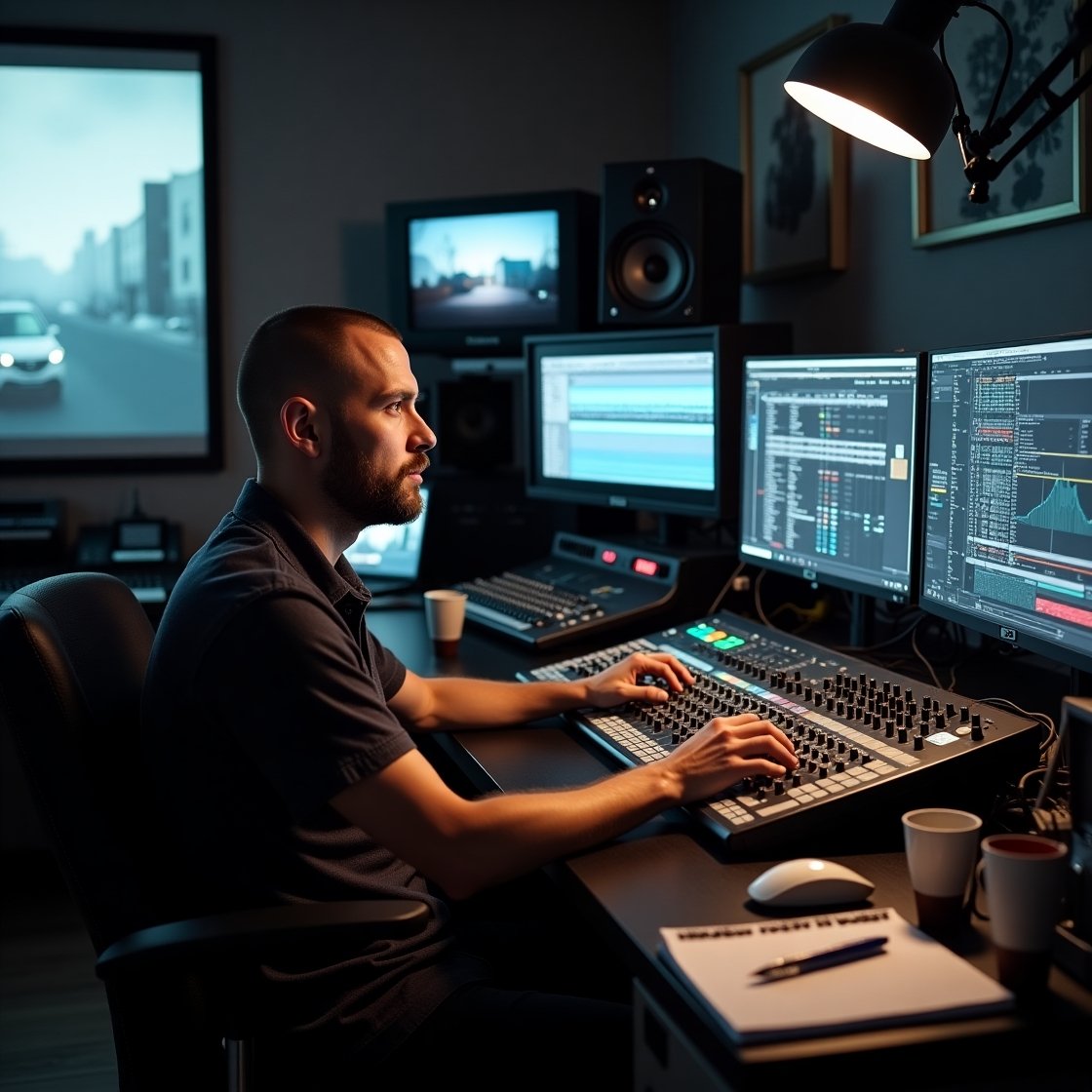
From my years working in audio engineering, I’ve realized that the heart of storytelling often comes alive after the cameras stop rolling. This is where post-production steps in. It’s a key phase in the filmmaking journey that transforms raw footage captured during principal photography into a cohesive and engaging narrative. Every layer of the film from dialogue clarity to the emotional weight of a score is polished to perfection. The process includes many creative and technical aspects that shape how audiences experience a story. Personally, I’ve seen how essentially this stage is when refining sound effects or enhancing visual effects to elevate a scene.
The magic really begins when all elements are assembled with care. Through editing, we piece together the storyline; music composition adds soul, while color grading sets the tone and mood. My team often focuses heavily on sound design, ensuring every moment sounds just right. It’s this blend of technical expertise and creativity that brings the film to life. Having been part of many such workflows, I can say there’s nothing quite like seeing all these elements flow together in harmony.
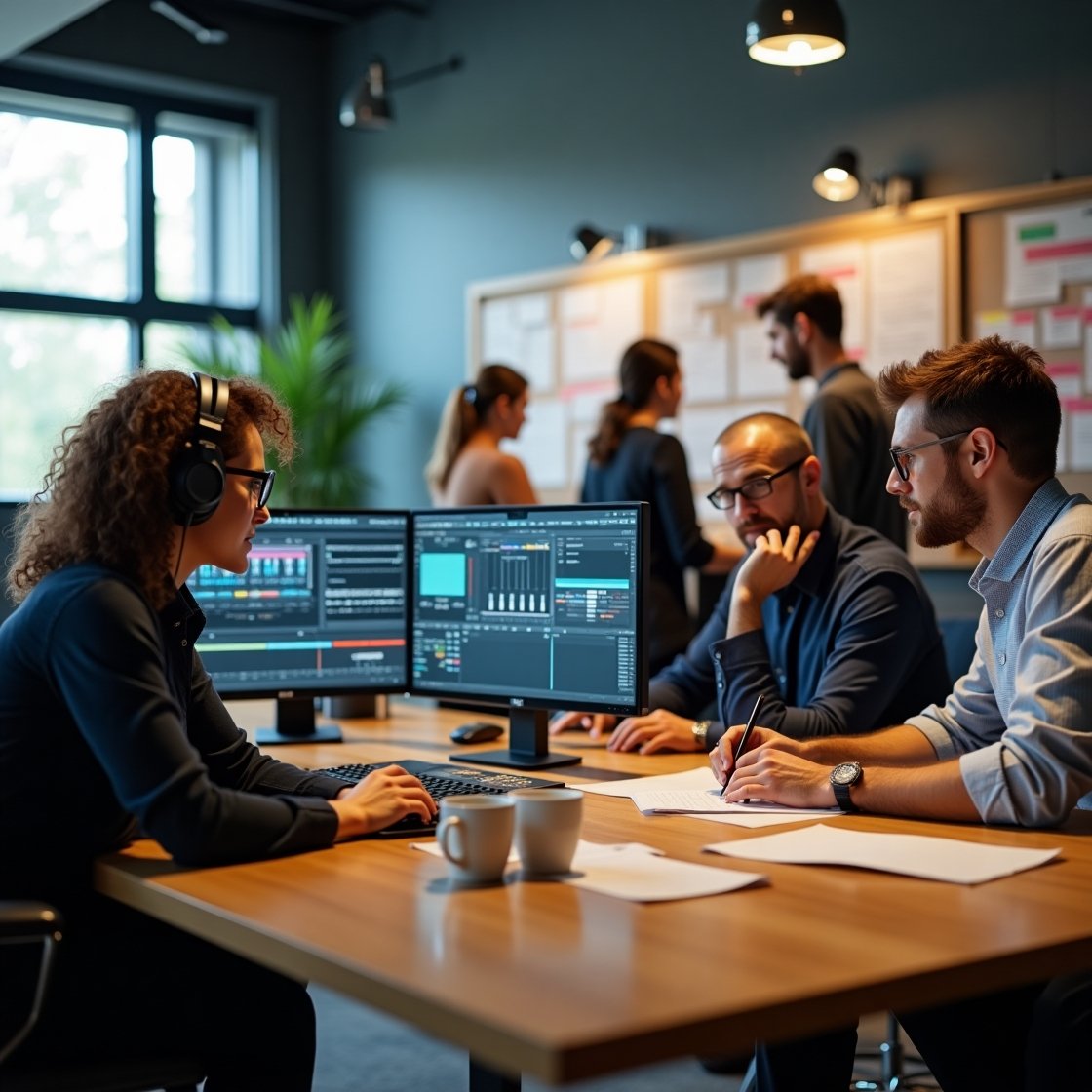
In my experience working with both filmmaking and sound, the post-production phase is often the most essential part of the entire process. It usually comes towards the end, though sometimes it overlaps with production. Depending on the circumstances of a project like getting the funding, having the right cast and crew already attached post can either kick off quickly or take years to reach. The energy that goes into this phase brings a movie to life, giving form to raw content captured on set. I’ve worked on projects where this stage made or broke the final product.
What helps is knowing where this sits in the chronological order of a film’s creation. The following is a brief explanation of each stage leading up to post. The development of a film, its shooting, and assembly all connect tightly to what post production can deliver. From sound syncing to final mastering, every layer builds off what came before.
Development always starts with a script. Before the iconic phrase “lights, camera, action” is ever uttered, a film becomes real as words on a page. I’ve seen projects thrive just from a strong first draft. That first idea, once created, can grow over time like virtually every other phase in filmmaking, this process can go on for months, years, or even decades.
A good script will get written, rewritten, and often passed around from studio to studio, and production company to company, until it finally gets the green light to move to the next step. It’s not always quick, but it’s the bedrock of the rest of the work.
Pre production often starts when funding finally comes together, and actual spending can begin on all the many components required for a film including the crew, cast, locations, equipment, and so on. I always say, good planning saves time and budget. Done right, every last detail that can be planned in advance is thought out, from schedule to shot list, and more.
It may also include rehearsals with actors to ensure the dialogue and chemistry between actors is finessed before actual shooting begins. These moments are crucial because they shape how naturally the scenes will come together in production.
Production, or principal photography, is almost always the phase of filmmaking that most people think of when making movies is mentioned. During this time whether a few days, weeks, or months the cast and crew will come together to shoot the footage that’s later shaped into a film. I’ve been on sets that are both fun and intense.
Everything we eventually assembled into what we call a film starts here. And despite the glamorous way it’s shown in television or films, the long, exhausting hours are real for all involved. The work here is the heartbeat of what post-production will later polish.
Post-production can begin after principal photography is completely wrapped, but it often overlaps. Based on the timeline the studio or production company sets up, editing a key part of post might start even as the cast and crew are still shooting other scenes. From my experience, this allows better momentum and less waiting during revisions.
Generally considered the most significant aspect of the post process, editing is certainly a must for any movie. Yet it’s just one component of the whole. Audio mixing, dialogue sync, and music scoring all contribute to the final polish.
Once a movie is made, you have to find a way for people to see it, right? This is where distribution phase comes in. As the name implies, it’s the part of the process where the finished product gets sent out to be finally seen by viewers. That moment feels rewarding every time.
But the landscape has undergone significant change over the last few years. Whereas most films were once given a theatrical release in the past, that’s simply not the case for all movies anymore. With streaming platforms like Netflix, Amazon, and Prime on the rise, more films are now finding paths through them, with audiences never having to leave the comfort of their homes.
An example of a post production service is audio mixing, where sound levels, effects, and dialogue are adjusted to create a balanced final soundtrack for films, videos, or music.
Post production includes all tasks completed after filming or recording, such as editing video, adding special effects, color correction, sound design, and final audio mastering.
Yes, audio engineering involves math, especially in areas like signal processing, acoustics, and frequency analysis. Engineers often use math to calculate delay times, EQ frequencies, and decibel levels.
Joining the Audio Engineering Society offers benefits such as networking with professionals, access to exclusive research, industry events, career development opportunities, and cutting edge audio technology insights.
Good audio can make a video, podcast, song, webinar, course, film, or business presentation feel more polished and professional. When sound is clear, balanced, and easy to listen to, people can focus on the message without distraction.
Poor audio can quickly reduce trust. Background noise, low volume, echo, harsh sound, unclear voice, or uneven levels can make even strong content feel unfinished.
The goal is not just to make audio louder. The real value comes from using professional audio engineering services to record, edit, clean, mix, and prepare sound properly for the final platform.
Whether you need audio post production, audio editing services, audio visual production services, or audio engineers for hire, the right expert can help your project sound clean, balanced, and ready to publish.
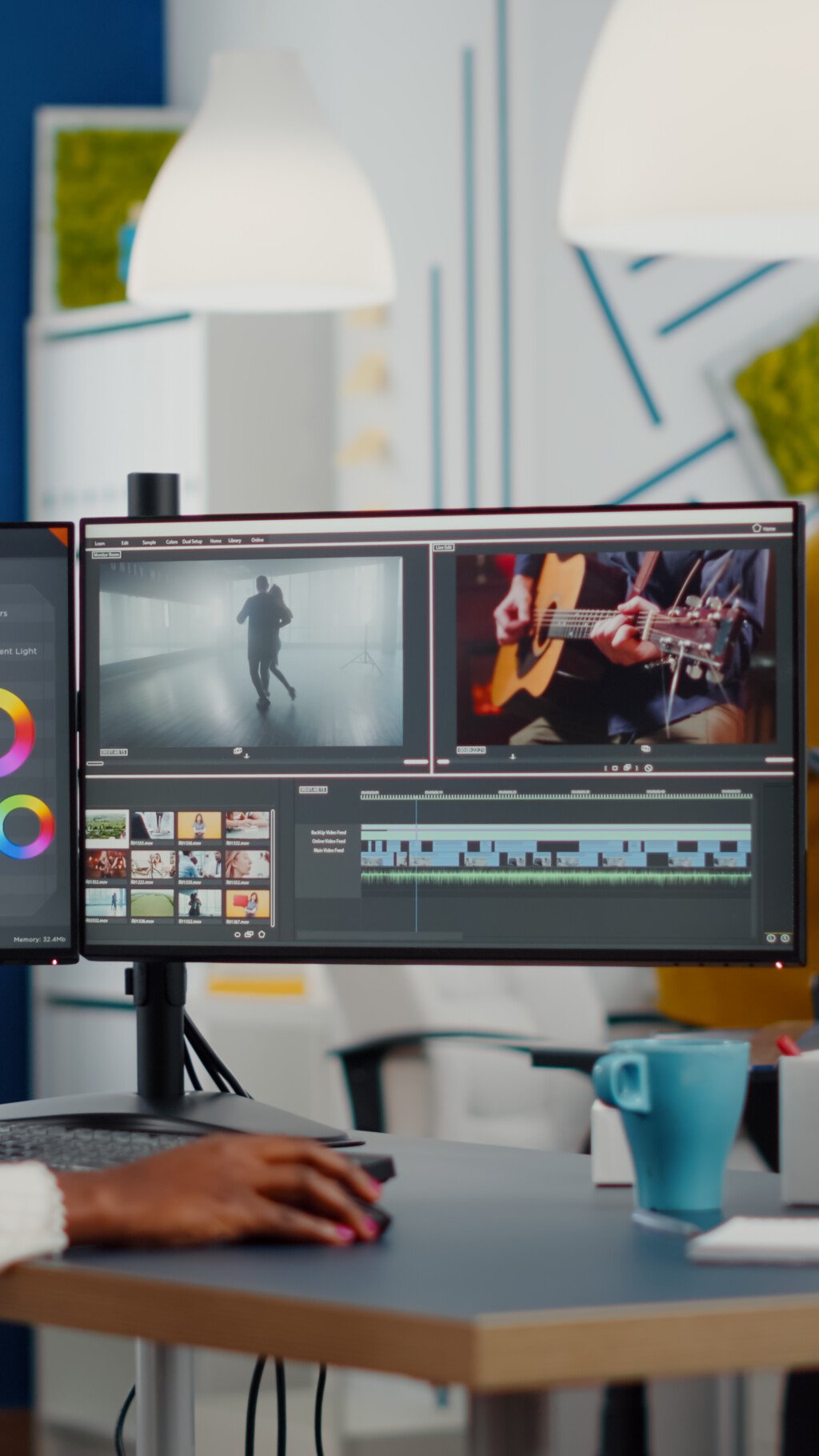
Audio engineering and post production services help creators, businesses, and brands record, edit, clean, mix, and finalize audio for videos, podcasts, music, events, courses, and digital content.
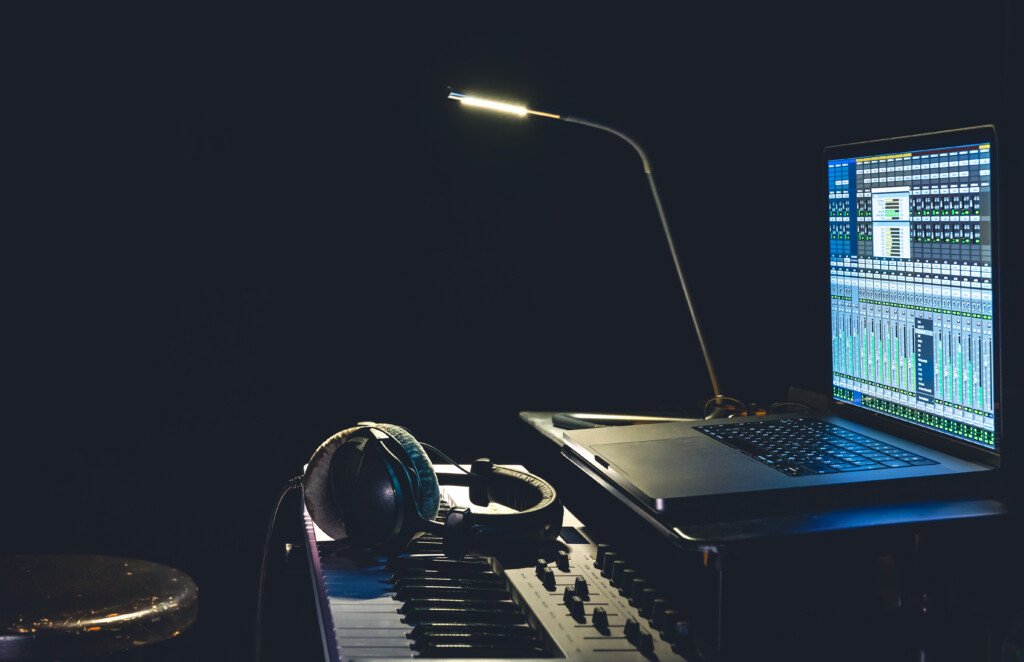
Audio engineering is the technical process of recording, editing, mixing, and managing sound. It can involve microphones, recording equipment, audio software, mixing tools, sound levels, noise reduction, equalization, compression, mastering, and final delivery.
An audio engineer works to make sound clear, balanced, and suitable for its final use. This may include music tracks, podcasts, videos, voiceovers, webinars, live events, audiobooks, online courses, or business media.
Good audio engineering is not only about equipment. It also requires trained listening, technical skill, timing, sound balance, and an understanding of how audio should feel to the listener.

An audio engineer helps create, improve, and finalize sound. Their work may include recording audio, setting up microphones, removing noise, balancing volume, mixing voices and music, editing mistakes, improving clarity, syncing audio with video, and preparing final files.
A good audio engineer understands how sound quality affects the full experience. They know how to make voices clearer, music smoother, sound effects balanced, and final audio ready for different platforms.
For example, a podcast may need audio editing services to remove mistakes and background noise. A video project may need audio post production to clean dialogue, add sound effects, and balance music. A business event may need audio visual production services to manage both sound and video together.
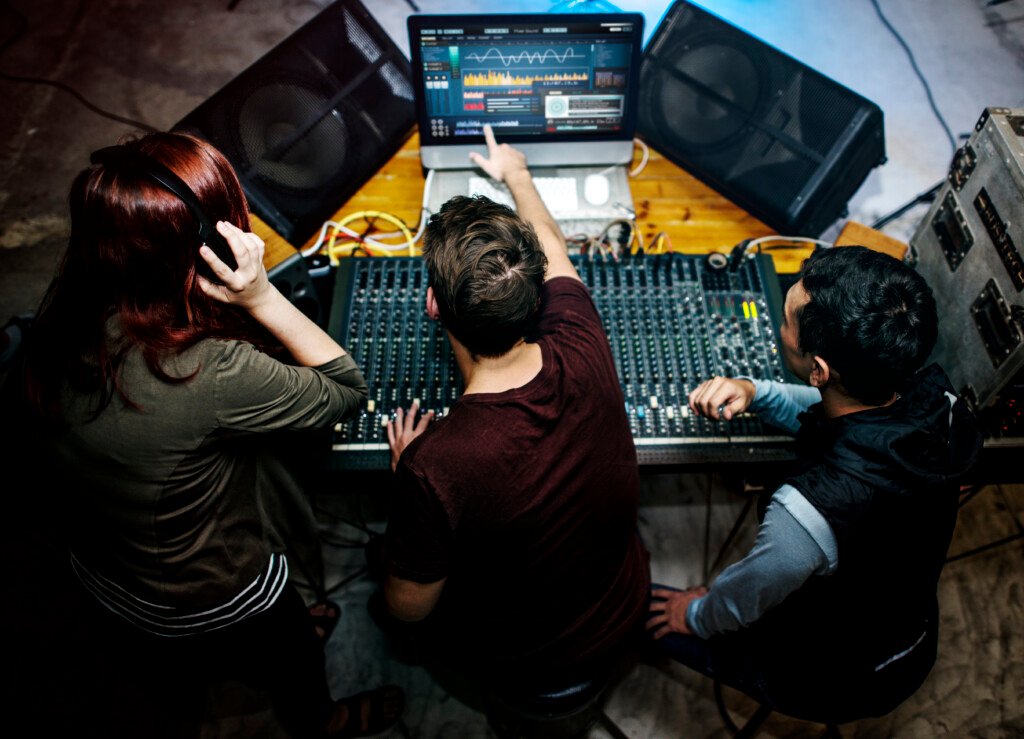
Professional audio support can improve clarity, quality, and listener experience. It is useful for businesses, creators, musicians, educators, agencies, podcasters, and video teams.
Audio engineering services can improve voice clarity, remove background noise, fix volume issues, and make recordings easier to listen to.
Clean audio makes your content feel more polished. This is important for podcasts, videos, webinars, courses, ads, and business presentations.
Audio engineers can balance dialogue, background music, sound effects, and transitions so nothing feels too loud or too quiet.
Different platforms need different audio formats and loudness levels. An audio expert can prepare files for YouTube, podcasts, Spotify, social media, websites, courses, or video editing.
There are different types of audio engineering and post production services, and the right one depends on your content type, recording quality, and final platform.
Audio engineering services include recording, editing, mixing, mastering, sound cleanup, microphone setup, and final audio preparation. This is useful for music, podcasts, voiceovers, interviews, audiobooks, videos, online courses, webinars, and business recordings.
Audio post production is the process of improving and finishing sound after recording. This may include dialogue cleanup, noise reduction, sound effects, music balancing, mixing, mastering, and syncing audio with video. This is useful for films, YouTube videos, commercials, podcasts, courses, interviews, and corporate videos.
Audio editing services focus on cleaning and organizing recorded sound. This may include cutting mistakes, removing long pauses, reducing noise, fixing volume levels, and improving voice clarity. This is useful for podcasts, webinars, voiceovers, interviews, audiobooks, lectures, and online training content.
Audio visual production services combine both sound and visual production. This may include recording, filming, live event production, video editing, audio setup, microphones, mixing, and final delivery. This is useful for corporate videos, live events, webinars, interviews, presentations, training videos, and promotional content.
Mixing services balance different audio elements together. This may include voice, music, background sound, effects, and multiple audio tracks. This is useful for music tracks, podcasts, videos, films, ads, and any project where different sound elements need to work together.
Mastering is the final audio polish before publishing. It helps make the sound consistent, clear, and ready for platforms. This is useful for music releases, podcasts, audiobooks, video content, and professional media delivery.
Voiceover cleanup improves recorded speech by removing background noise, reducing echo, balancing volume, and making the voice sound clearer. This is useful for explainer videos, ads, courses, audiobooks, podcasts, and business presentations.
Podcast audio engineering helps improve podcast recordings through editing, mixing, leveling, noise reduction, intro/outro placement, and final episode export. This is useful for podcasters, brands, coaches, educators, agencies, and creators who want clean and consistent episodes.
There are different ways to get audio engineering support. The best option depends on your project size, quality needs, budget, and timeline.
A freelance audio engineer can be a good choice for podcast editing, voice cleanup, mixing, mastering, webinars, interviews, and focused audio tasks.
A studio may be better for professional recording, live instruments, voiceovers, music production, controlled sound environments, and advanced mixing.
An audio production agency may be useful for larger projects that need audio post production, audio visual production services, sound design, video sync, multiple editors, and full production support.
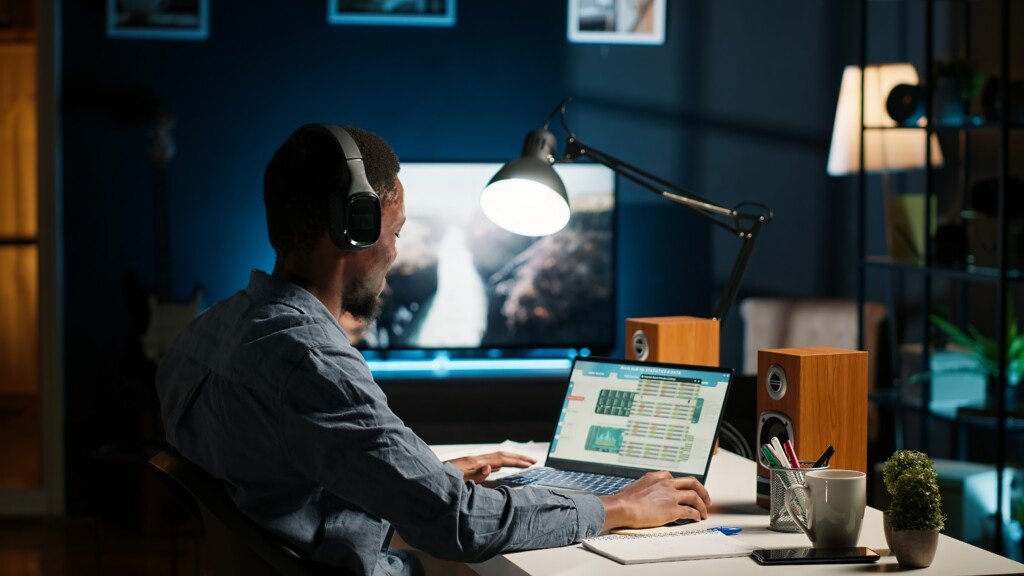
Choosing the right audio expert is important because every project has different sound needs.
Start by deciding what you need. Do you want cleaner voice audio, podcast editing, music mixing, video sound cleanup, live event audio, or full audio post production? A clear goal helps the expert recommend the right process.
A podcast, music track, business video, webinar, audiobook, and live event all need different audio handling. Choose an audio engineer with experience in your content type.
Always listen to previous work before hiring. Check clarity, balance, noise control, mixing quality, and overall sound polish. Samples help you understand whether the expert can match your quality needs.
Before starting, tell the expert what kind of recording you have. If possible, share a short sample. This helps them understand what can realistically be improved. Poor recordings can often be improved, but not every issue can be fully fixed.
Audio engineers may use tools such as Pro Tools, Logic Pro, Adobe Audition, Ableton Live, Cubase, Reaper, iZotope RX, or other audio software. The tool matters less than the skill, but it is helpful to know how the expert will clean, mix, and deliver the audio.
Audio projects often need small adjustments. Ask how many revisions are included and what changes are covered. This helps avoid confusion later.
Common audio formats include WAV, MP3, AIFF, AAC, OGG, stems, and synced video files. Make sure the final files match your publishing platform or editing workflow.
Finding the right audio professional becomes easier when you know what type of support your project needs. On Finderdesk, you can explore audio engineers based on your content goals.
Hire an audio engineer if you need recording support, audio cleanup, mixing, mastering, podcast editing, or final audio preparation.
Hire an audio post production expert if your video, podcast, film, or course needs sound cleanup, balancing, effects, music mixing, or final polish.
Hire an audio editor if you need mistakes removed, pauses cut, noise reduced, volume balanced, or voice recordings improved.
Hire an audio visual production expert if your project needs both sound and video support for events, webinars, interviews, training, or business content.
Hire a podcast audio engineer if you need clean episodes, balanced voices, intro and outro placement, noise reduction, and podcast-ready exports.
Tell us about your project and we'll help you find the right audio engineer, editor, post-production specialist, or podcast expert.
Audio projects can become difficult when expectations are unclear. Avoid these common mistakes before hiring.
Audio should be planned early. Poor recording setup can create problems that are hard to fix later.
Low-cost audio work may seem attractive, but weak editing, poor mixing, or bad noise reduction can make the final content sound unprofessional.
A short audio sample helps the engineer understand the recording quality and give a realistic estimate.
Noise from fans, traffic, rooms, keyboards, or poor microphones can affect the final result. It is better to record in a quiet space when possible.
Different platforms have different loudness expectations. Podcasts, YouTube videos, music tracks, and ads may need different final levels.
If audio is connected to video, syncing is important. Always tell the engineer if the audio must match video timing.
Ask whether you will receive final mixed files, cleaned voice files, stems, project files, or platform-ready exports.
Audio engineering and post production services can help your project sound clearer, cleaner, and more professional. Whether you need audio engineering services, audio post production, audio editing services, audio visual production services, or audio engineers for hire, the right expert can improve the final listening experience.
Before hiring, define your audio goal, choose the right service type, review samples, share raw audio quality, discuss tools and process, confirm revisions, and ask for the final file formats you need.
If you need professional sound for your podcast, video, music, course, event, or business content, explore audio engineering experts on Finderdesk and find the right professional for your next audio project.
Here are common questions businesses ask before hiring Audio Engineering and Post Production Experts.
Audio engineering is the process of recording, editing, mixing, and managing sound. It can include microphone setup, sound cleanup, volume balancing, noise reduction, mixing, mastering, and final file preparation. It is used for music, podcasts, videos, voiceovers, webinars, live events, audiobooks, and business content.
Audio engineering services help improve and prepare sound for professional use. These services may include recording, editing, audio cleanup, mixing, mastering, podcast production, voiceover cleanup, and audio post production. They are useful for creators, businesses, musicians, podcasters, educators, agencies, and video teams.
Audio engineering services cost depends on project type, audio length, quality needs, editing complexity, mixing, mastering, and expert experience. Basic audio editing or cleanup may cost around $30–$150. Podcast editing, voiceover cleanup, or audio post production for short videos may range from $150–$800+. Music mixing, mastering, full audio post production, or audio visual production services can cost $800–$5,000+, depending on scope.
Audio post production is the process of improving and finishing sound after recording. It may include dialogue cleanup, noise reduction, sound effects, music balancing, mixing, mastering, and syncing audio with video. It is important for videos, podcasts, films, courses, ads, and professional content.
Audio editing services focus on cleaning and improving recorded sound. This may include removing mistakes, cutting pauses, reducing background noise, balancing volume, and improving clarity. These services are useful for podcasts, interviews, voiceovers, webinars, audiobooks, and online courses.
Audio visual production services combine sound and video support. They may include filming, recording, microphone setup, lighting, editing, mixing, and final delivery. These services are useful for corporate videos, live events, webinars, interviews, presentations, and promotional content.
You should hire an audio engineer when sound quality matters for your project. This may include podcasts, videos, music, voiceovers, webinars, audiobooks, live streams, or business presentations. Hiring an expert is especially useful when you need cleaner sound, balanced audio, professional mixing, or platform-ready files.
Some poor audio can be improved in post production, especially background noise, volume issues, minor echo, and small recording mistakes. However, severely distorted, clipped, or very unclear audio may not be fully fixable. It is always better to record clean audio from the start.
Get our latest news straight into your inbox